Property Pages That Turn Visitors Into Qualified Enquiries
A strong property page does more than display attractive photographs. It answers the questions serious buyers, tenants, sellers, and investors ask before they are ready to contact an agent.
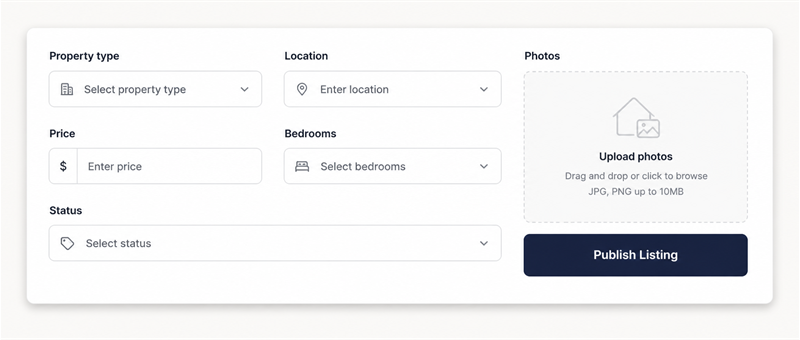
Lead With the Essential Property Details
Make the price, location, property type, bedroom and bathroom count, floor area, availability, and key features easy to scan. Visitors should understand the listing before they reach the first call to action.
Visual Confidence
Use consistent photography, floor plans, video tours, and accurate captions.
Local Context
Explain transport, schools, amenities, neighbourhood character, and market position.
Agent Credibility
Place the responsible agent's profile, experience, and contact options beside the listing.
Focused Action
Offer clear choices such as book a viewing, request details, or arrange a valuation.
Put Trust Near the Enquiry
Use verified property facts, recent sales evidence, testimonials, agent credentials, and transparent next steps close to the enquiry form. This reduces uncertainty at the moment a visitor decides whether to contact you.
Qualify Buyers Without Adding Friction
Ask only for useful information: preferred viewing time, buying or renting status, budget range, finance position, moving timeframe, and any essential requirements. Keep the first form short and collect sensitive details later through an appropriate channel.
Connect Related Opportunities
If a property is not the right fit, suggest genuinely relevant alternatives by area, price, type, or feature. Include an option to save the search or receive alerts so high-intent visitors can continue their journey.
Conclusion
Clear property information, useful local context, visible trust, and a focused enquiry path turn listing traffic into better-qualified conversations for your real estate team.
