A memorable restaurant brand does more than look attractive. It helps guests understand your food, your atmosphere, your promise, and the feeling they can expect before they walk through the door. Strong branding makes a restaurant easier to recall, recommend, and revisit.
Begin With a Clear Restaurant Story
Guests remember restaurants that stand for something specific. Your story might come from a family recipe, a regional cuisine, a chef philosophy, a local ingredient network, or a dining experience built around celebration. The goal is to make the reason behind your restaurant easy to understand.
Turn the Story Into Guest-Facing Language
A strong story should appear in short, useful places: the homepage headline, menu introduction, reservation section, about page, and social captions. Keep it human and direct. Guests should be able to repeat the idea in one sentence.
Make the Menu Part of the Brand
Your menu is one of your most important branding tools. It should not feel like a plain list of items. It should guide guests toward signature dishes, seasonal highlights, chef favorites, dietary options, and pairing suggestions.
Signature Items
Highlight the dishes people should associate with your restaurant first.
Menu Voice
Use descriptions that match your concept, whether refined, warm, playful, or fast-casual.
Visual Hierarchy
Use photos, tags, sections, and featured blocks to make decisions easier.
Trust Cues
Show popular choices, ingredient notes, awards, reviews, and dietary labels.
Build Recognition Through Visual Consistency
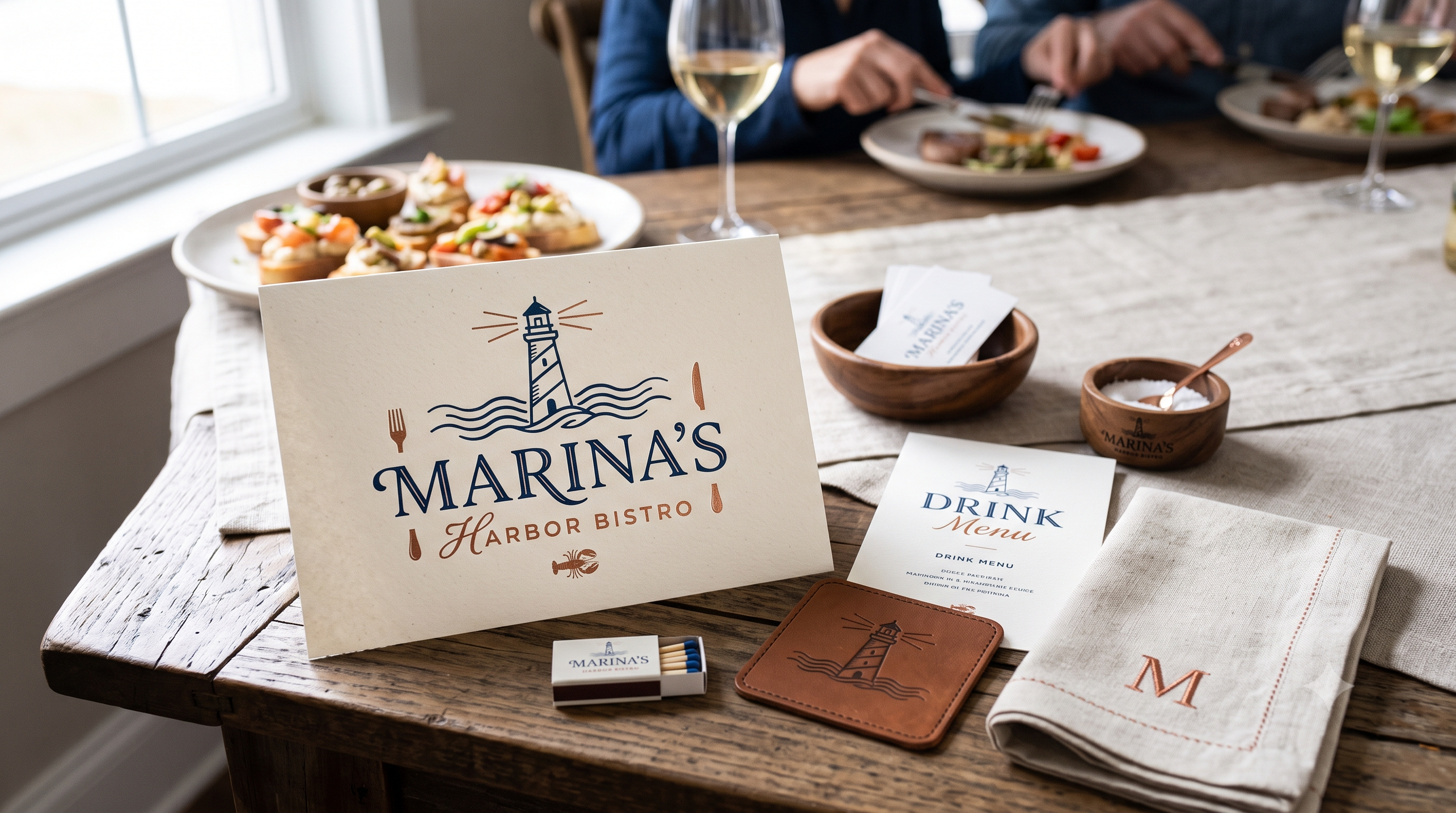
Colors, typography, photography, spacing, icons, and button styles all shape memory. A guest who sees your website, menu, booking page, and social posts should feel the same restaurant personality in every place.
Use Photography With Intent
Food images should reveal texture, freshness, portion, plating, and atmosphere. Avoid generic visuals when guests need to understand the real dining experience. Real dishes, real tables, real staff, and real spaces build recognition faster.
Show Social Proof Without Making It Noisy
Reviews, press mentions, chef credentials, guest photos, and local partnerships help make your brand believable. Place proof near key decisions: before reservation buttons, beside catering offers, under signature dishes, and near private dining information.
Design Every Call to Action Around Guest Intent
Restaurant visitors usually want to see the menu, reserve a table, order food, find hours, check location, or ask about events. A memorable brand removes friction from those actions. The more confident the journey feels, the more professional the brand feels.
Conclusion
Restaurant branding becomes memorable when story, menu, visuals, proof, and guest actions all work together. A strong website turns that brand into a living system: one that helps new guests understand you quickly and helps returning guests come back with confidence.
Ready to build a restaurant brand guests remember?
Create a food website with menus, booking sections, offers, blog content, and visuals that match your restaurant's personality.
Get Started for Free