High-value finance enquiries need more structure than a basic contact form. The right workflow collects context, sets expectations, protects your team's time, and helps prospects understand the next step before a call is booked.
Whether your team handles accounting, consulting, investments, lending, business brokerage, insurance, or corporate advisory work, a polished intake process can turn scattered messages into useful client conversations.
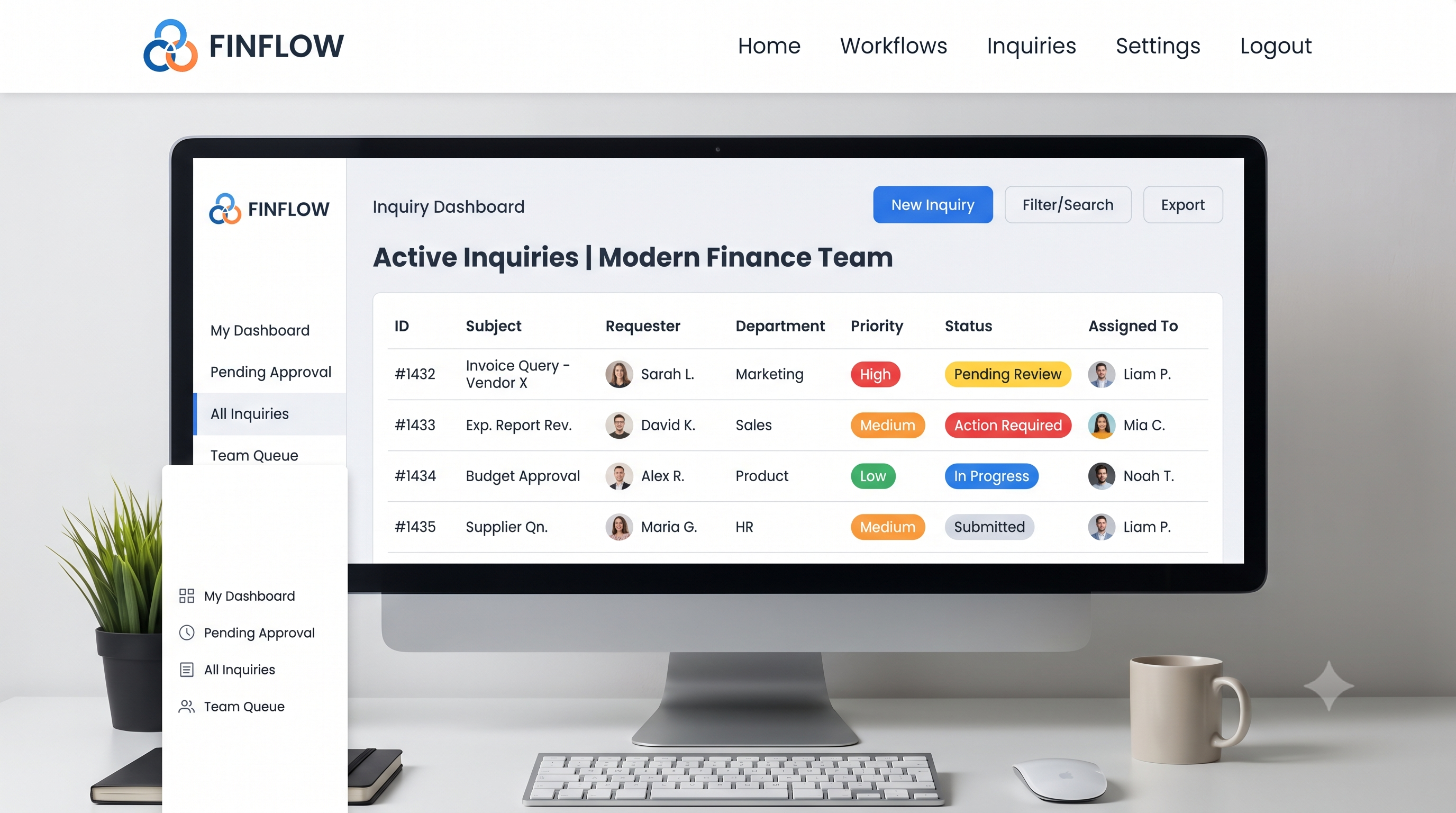
Collect the Right Details Early
Ask for service interest, company size, location, budget range, timeline, preferred contact method, and a short description of the need. Keep sensitive financial information out of the first form unless your process and privacy language are ready for it.
A good first form should feel easy for the client and useful for your team. Use dropdowns for common service areas, short text fields for context, and optional fields for details that may not apply to every visitor.
Match the Form to the Service
Not every finance enquiry needs the same questions. A tax planning request may need business structure and filing deadlines. A loan enquiry may need requested funding amount, timeline, and purpose. A consulting request may need project scope and decision-maker details.
Separating forms by service area improves the quality of submissions and reduces back-and-forth after the first contact. It also makes the user feel understood because the questions match their actual need.
Create a Clear Intake Path
The workflow should tell both sides what happens next. A visitor wants to know when they will hear back; your team needs a repeatable way to review, qualify, route, and respond to the request.
Use Forms to Reduce Friction
Different services need different fields. A loan enquiry may need funding amount and use of funds. A consulting enquiry may need project scope. An investment banking enquiry may need transaction type and timeline. Conditional forms keep each route focused.
Set Expectations Immediately
After submission, show a confirmation message that explains the response timeline, the team that will review the request, and any documents the client should prepare. This small detail makes the experience feel organized and reduces duplicate follow-ups.
You can also use automated email confirmations to repeat the same information. Keep the message short, professional, and reassuring, especially if the enquiry involves confidential business or financial context.
Protect Sensitive Information
Finance workflows often touch confidential topics. Avoid asking for account numbers, passwords, complete tax IDs, or sensitive documents in a simple public form. Instead, collect only the context needed to start the conversation and move detailed document sharing into a secure process.
Add a privacy note near the form to explain how submitted information is used. This helps build confidence and shows that your team treats client details carefully.
Route Enquiries to the Right Team
A clear workflow should prevent every submission from landing in the same inbox. Service interest, location, company size, budget range, and urgency can help route requests to the right advisor, partner, broker, analyst, or support person.
Even if routing is manual at first, designing your website around categories makes it easier to manage growth later. The structure is useful for your visitors and your internal team.
Measure the Quality of Leads
Track which service pages generate qualified enquiries, which forms get abandoned, and which questions create confusion. Over time, this data helps you improve page copy, shorten forms, add missing FAQs, and focus attention on the services that bring the best opportunities.
Conclusion
A thoughtful enquiry workflow makes your finance brand feel organized from the first interaction. With service-specific forms, clear intake fields, privacy-aware copy, team routing, consultation steps, and timely follow-up, your website becomes a serious business development system.
