Artificial Intelligence is no longer a futuristic concept; it is actively reshaping how we build, design, and interact with the web today. From automated layouts to generative content, AI is making professional web design accessible to everyone, regardless of technical skill level.
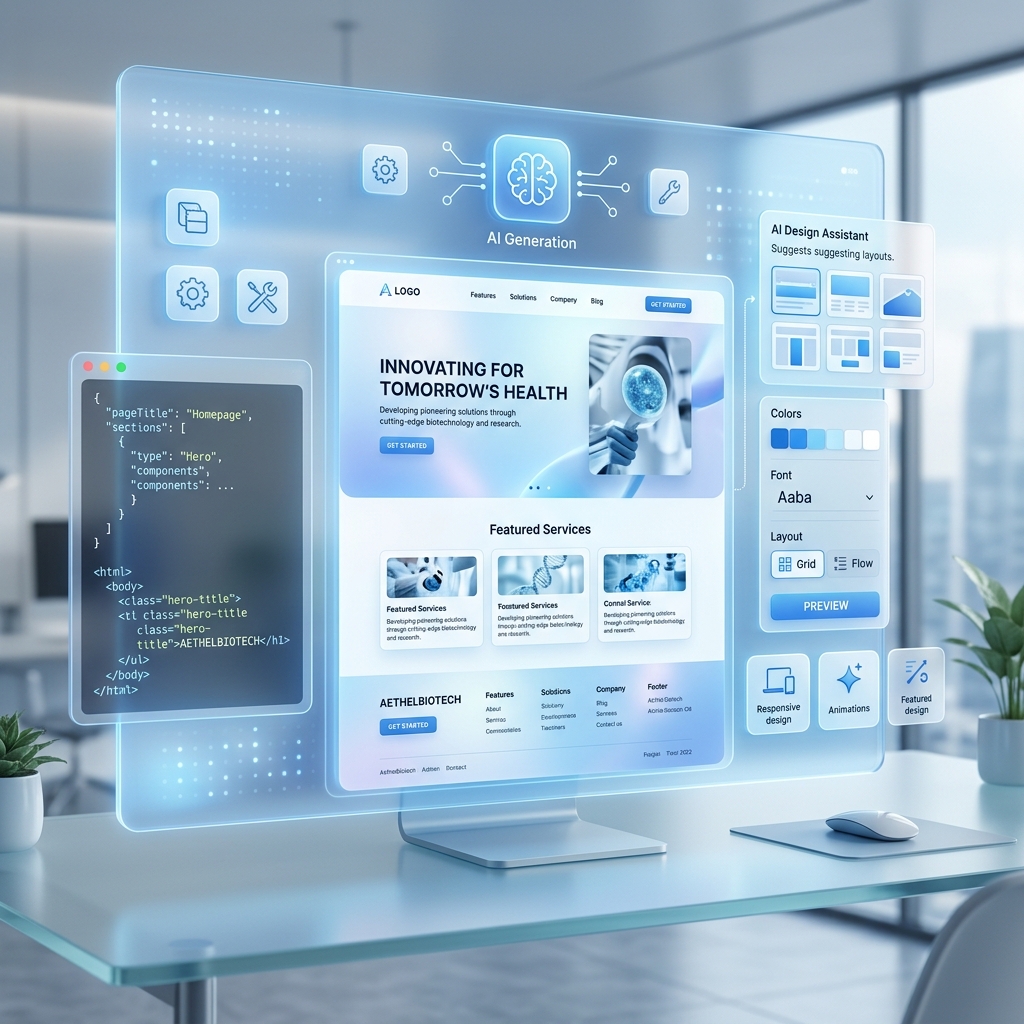
The Rise of Generative Design
One of the most significant shifts we've seen is the move towards generative design. Instead of starting with a blank canvas, designers and business owners can now use AI to generate multiple layout options based on a few simple inputs. This doesn't just save time—it provides a starting point that is already optimized for user experience and conversion.
Automated Content Personalization
AI is also enabling a level of personalization that was previously impossible for small businesses. By analyzing visitor behavior in real-time, AI can adjust content, images, and calls-to-action to better suit the individual needs of each user. This results in higher engagement and ultimately, more successful websites.
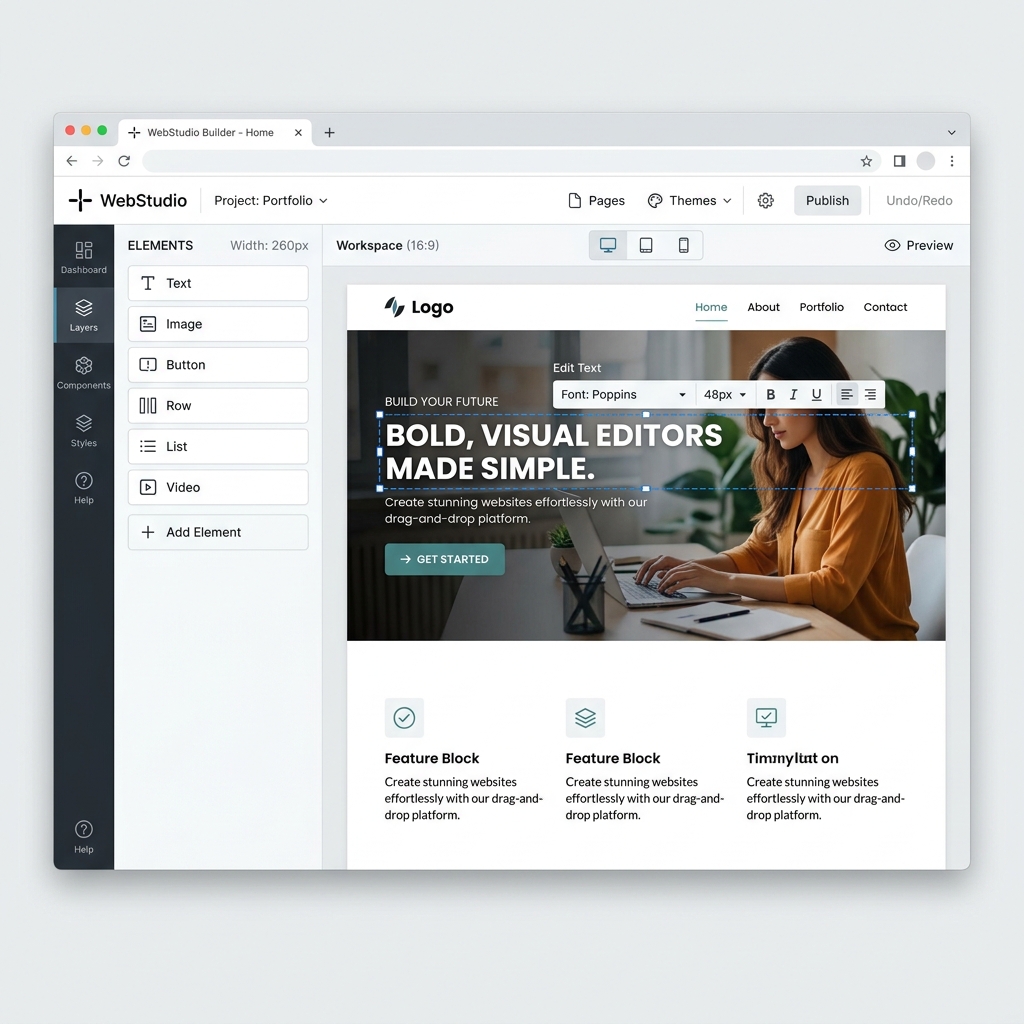
Accessibility and Inclusion
Web accessibility is a critical part of modern design, and AI is playing a major role in making it easier to achieve. AI-powered tools can automatically generate alt-text for images, ensure color contrast meets standards, and even help restructure navigation for screen readers. This ensures that the web remains a place for everyone.
Conclusion: A Human-AI Partnership
The future of web design isn't about AI replacing humans; it's about a partnership. AI handles the repetitive, data-driven tasks, allowing designers to focus on the creative strategy and brand storytelling that makes a website truly unique.
Ready to build your digital masterpiece?
Experience the power of WebsHigher's AI-driven platform today.
Get Started for Free