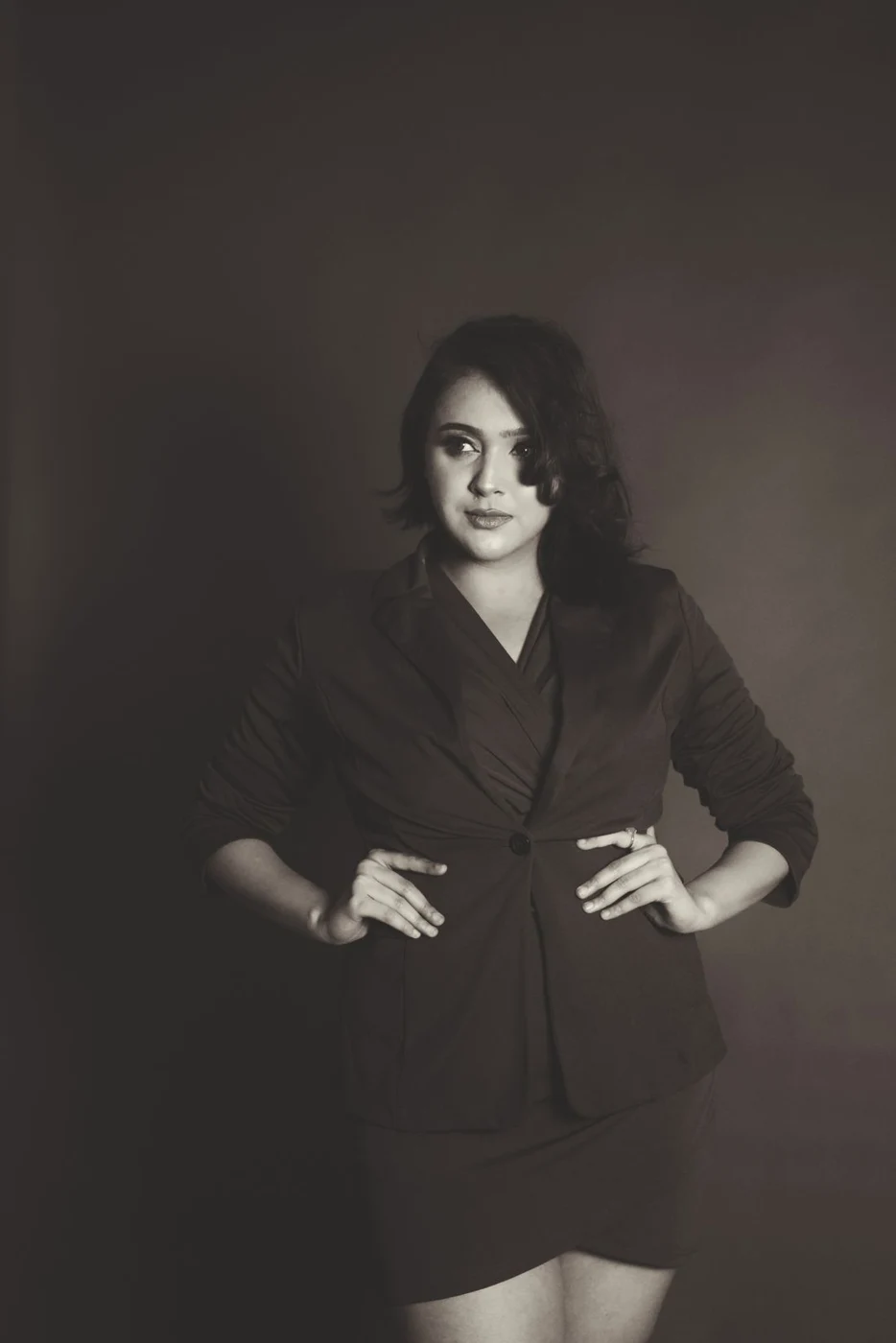
PERFORMANCE STUDY / 01
Physical expression
Stage Presence begins with theatre portraits. The selection gives this part of the practice its context, rather than showing isolated examples.
Discuss a casting briefTheatre-focused portraits and performance interests, connecting character, physical expression and a clear route for stage casting enquiries.
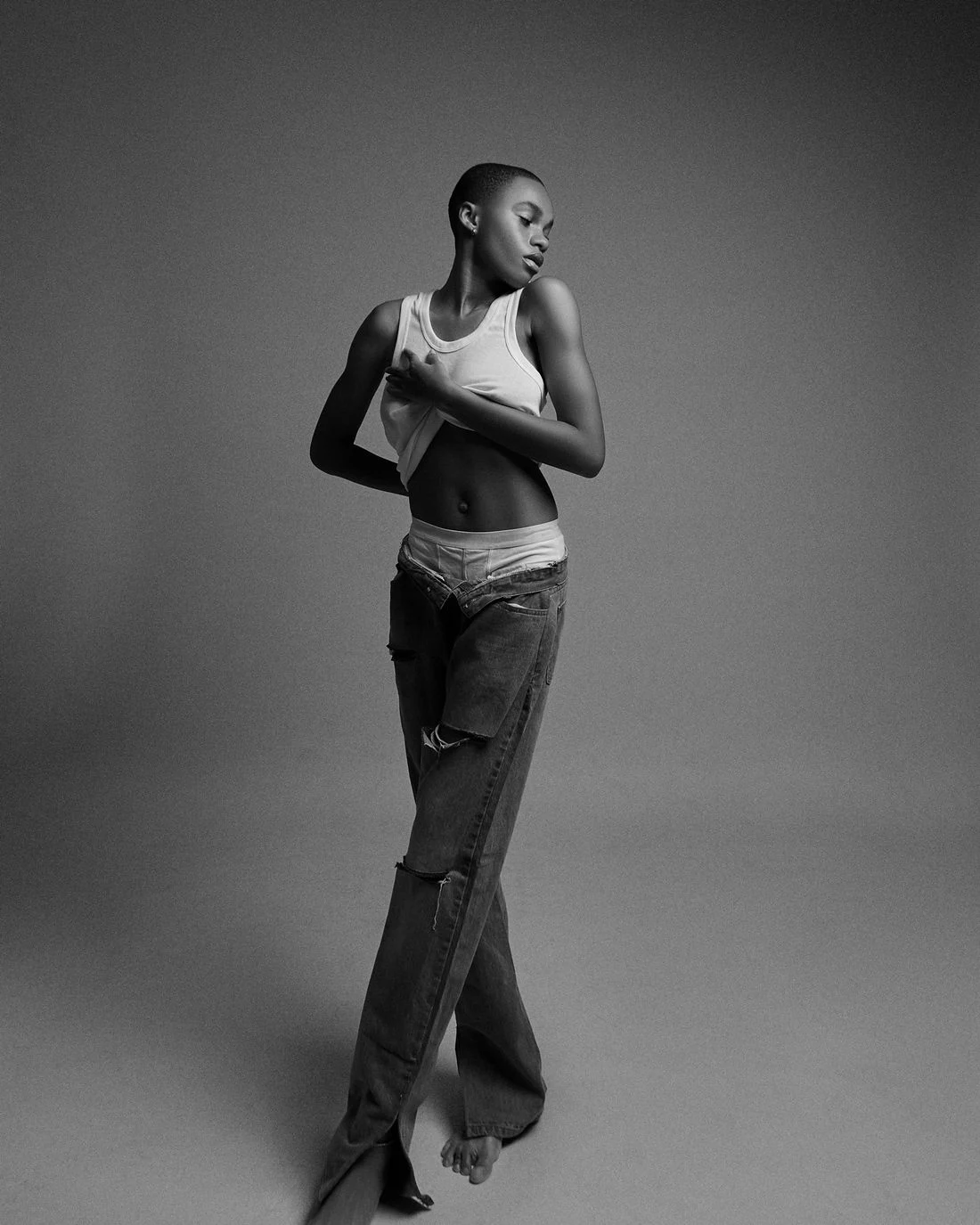
The acting profile gives a production team context for discussing the role, the rehearsal process and the performance material it needs.
Stage Presence begins with theatre portraits. The selection gives this part of the practice its context, rather than showing isolated examples.
Discuss a casting brief
A closer look at physical expression reveals the decisions that shape the work and the alternatives considered along the way.
Discuss a casting brief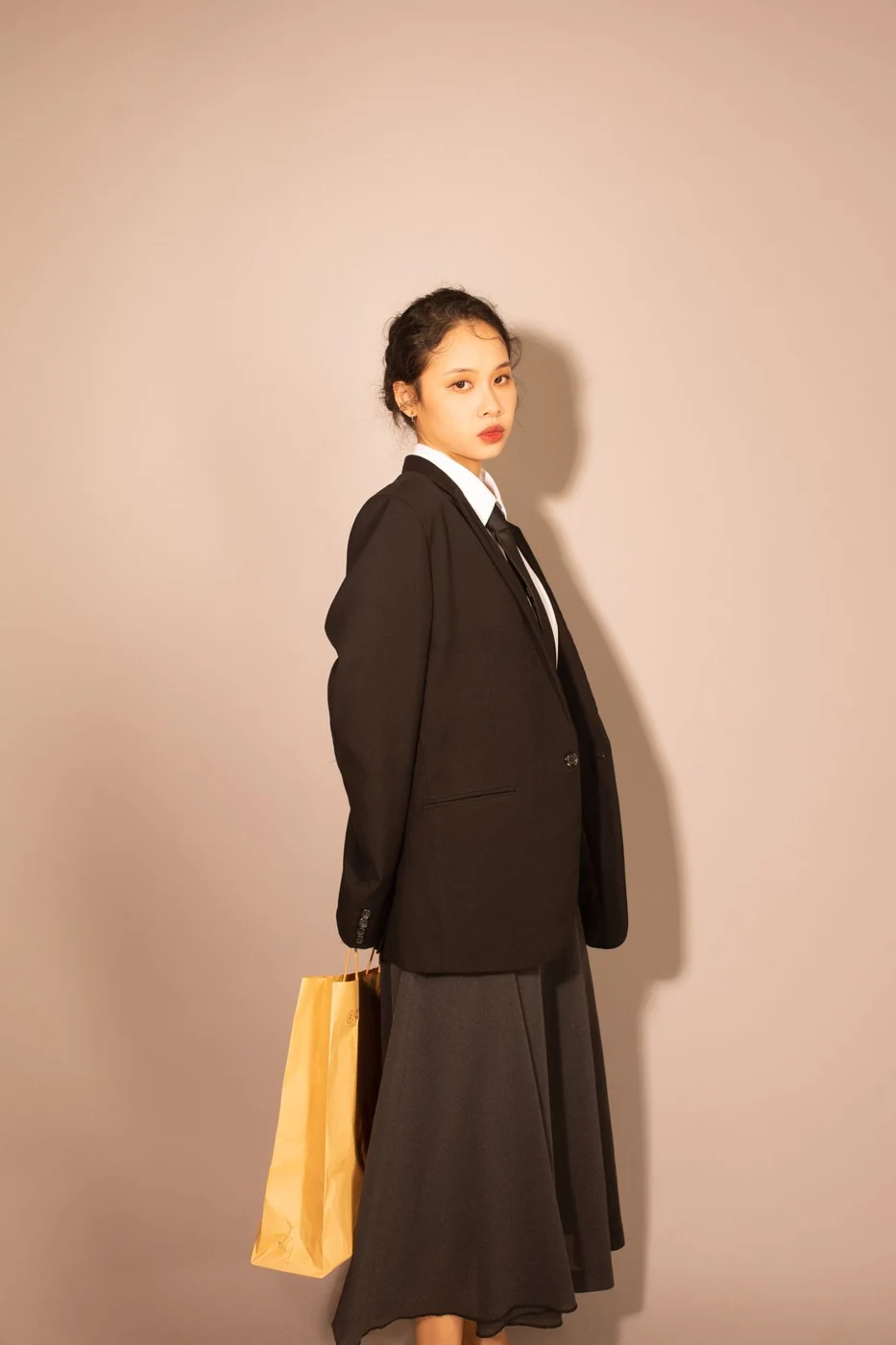
The character approaches selection connects individual details with the wider direction of the casting portfolio.
Discuss a casting brief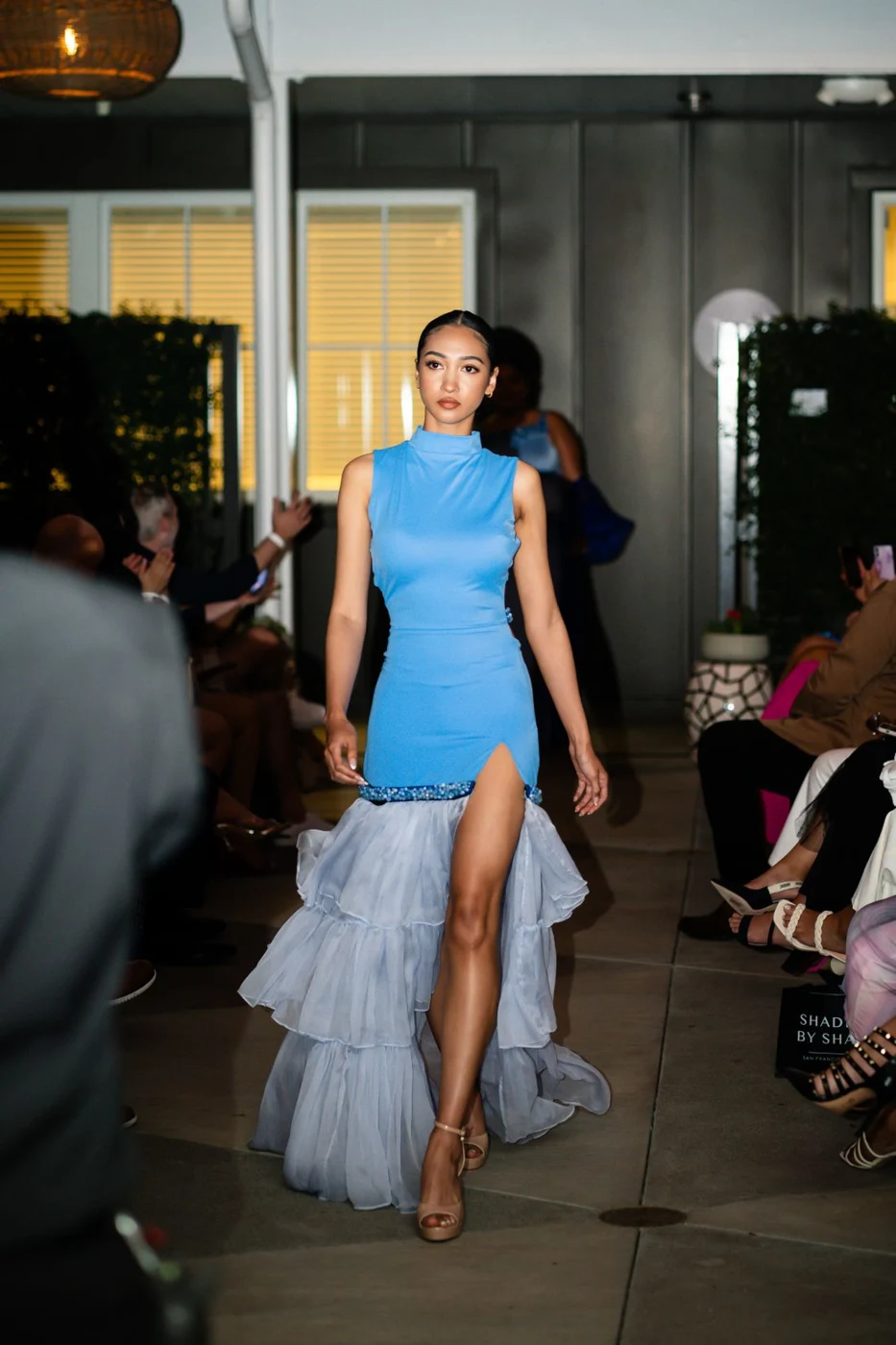
For stage casting, share the context, the intended outcome and the practical information that would help begin a useful conversation.
Discuss a casting brief
The Stage Presence approach brings the initial idea and the finished result together, with room for the intermediate decisions that explain the work.
Discuss a casting brief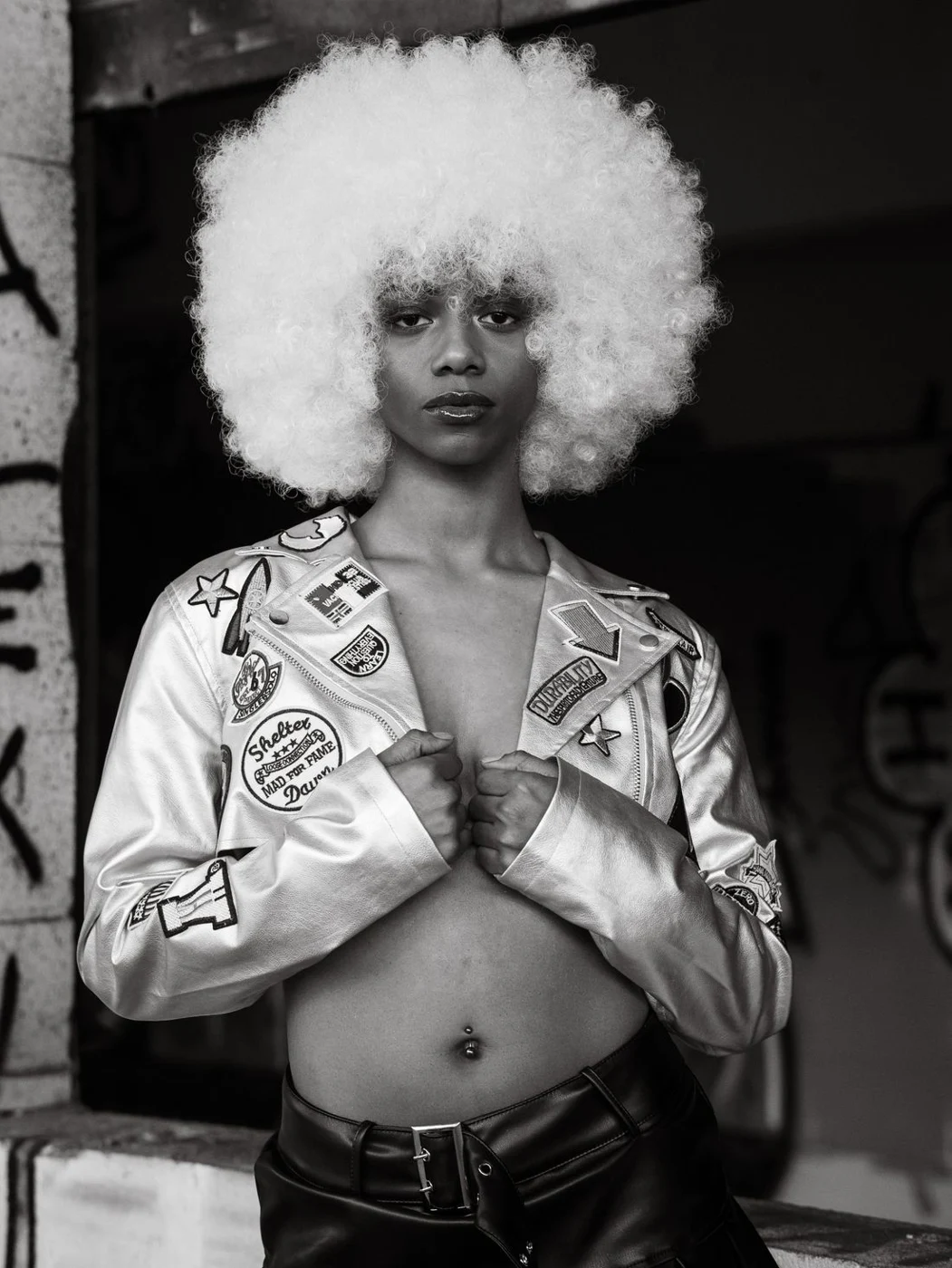
At Stage Presence, each production starts by establishing its scope. References, timing and the people involved help turn a broad idea into a clearer direction.
Discuss a casting briefThe performance material is presented with supporting context so you can see how a choice relates to the purpose of the production.
Discuss theatre portraits in relation to your own needs, including what is already decided and where you would welcome a different perspective.
The details behind physical expression are part of the story: constraints and working decisions can be as revealing as the final presentation.
Related examples of character approaches offer another way to explore the ideas running through Stage Presence.