A morning walk before the city wakes
Publish travel itineraries, photo coordinates, and destination guides in structured grids.
Travel stories, quiet detours and observations from places best explored slowly, with an eye for the everyday life around the landmark.
The Long Way Around
Show destinations, guides, visual stories, recommendations, and lifestyle content.
Publish travel itineraries, photo coordinates, and destination guides in structured grids.
Provide downloadable packing planners and travel gear checklists to grow your newsletter list.
Display travel blogger bios, media citations, and traveler reviews to build subscriber trust.
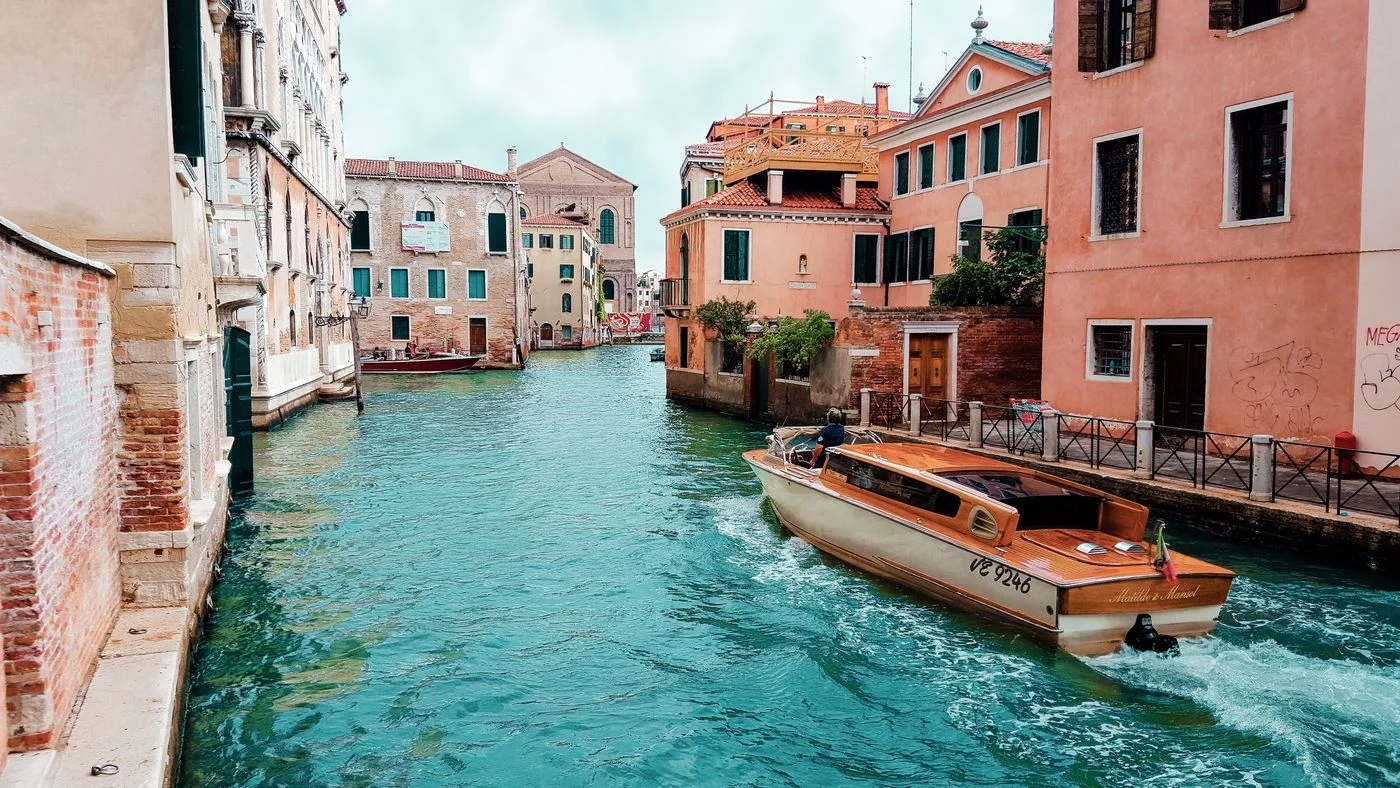
The slower route can make a journey feel less like a sequence of arrivals. Leave room for a short walk, a view from the roadside and the details that are difficult to notice through a hurried window. A few notes made along the way help the thought continue beyond its first reading.
Familiar rituals can offer a gentle thread between different places. A morning drink, a few written lines or time spent reading can give a changing day a small point of continuity. The detail is an invitation to look again, rather than a rule to follow.
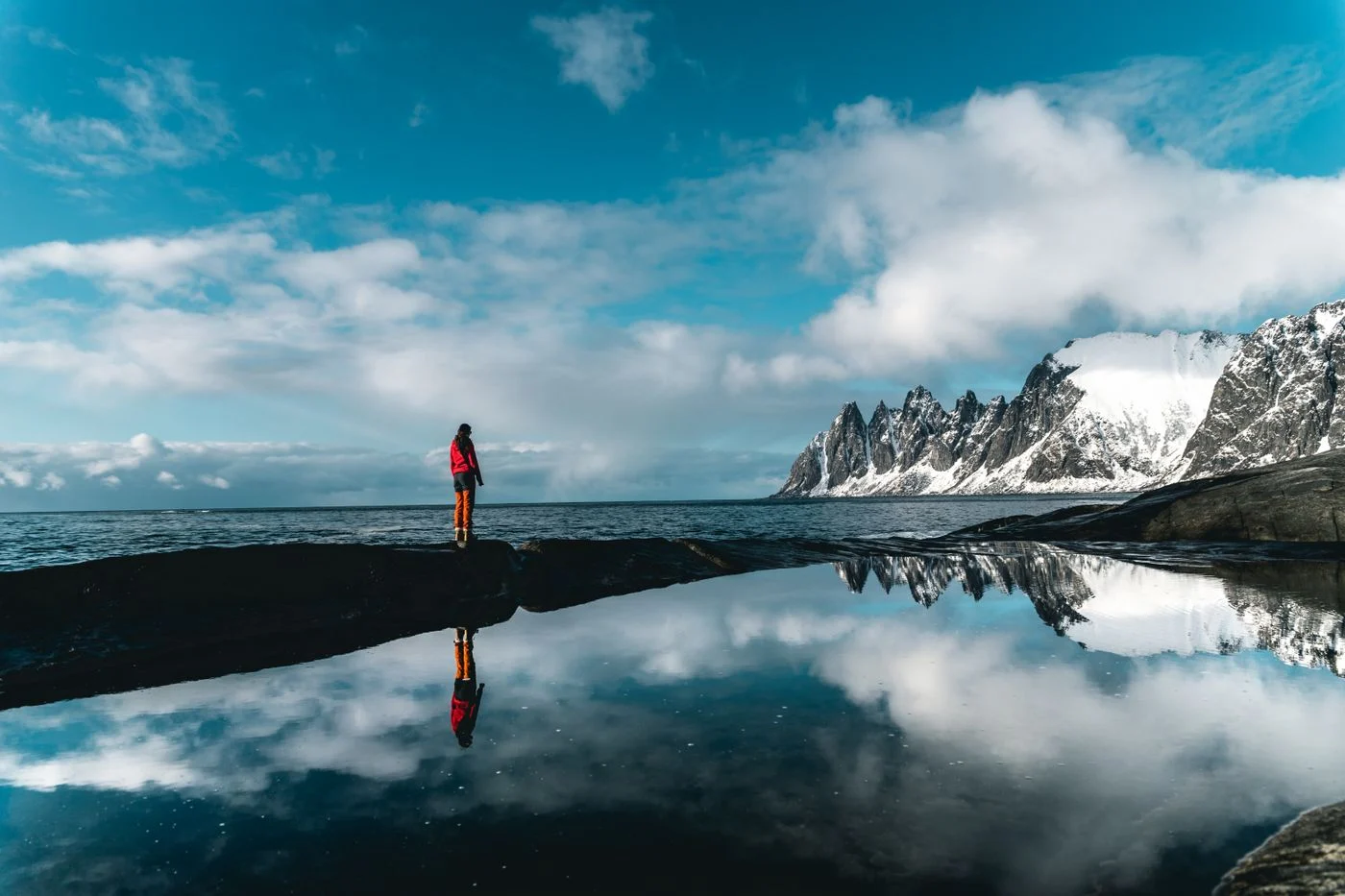
An unfamiliar neighbourhood becomes easier to observe when the landmark is not the only destination. Look at everyday routes, shared spaces and the way people move between work, errands and conversation. There is more to discover when the question stays open for a little longer.

A quieter weekend does not need a long list of stops. Choose a few things that matter, allow time between them and leave space for a place to be interesting on its own terms. This edition pairs the reflection with photographs and details from the wider notebook.
The next street can tell a different story from the busiest route. Follow a public path, a local noticeboard or a smaller shared space, and pay attention to how the atmosphere changes. A thoughtful reader note can add another useful perspective to the conversation.
Packing is a way to think about the days ahead. Begin with the activities and conditions you expect, keep useful combinations in mind and leave out things that only belong to a different kind of trip. Read it as a starting point for your own observations.
A quiet meal can become a way to understand the pace of a place. Notice the setting, the everyday rituals and the conversation that grows when there is no immediate need to move on. The journal keeps room for a reader to bring a different experience to the subject.
A walking route becomes more memorable when there is time to pause. Read the path as a sequence of textures, views and small decisions rather than as a distance that needs to be completed quickly. A few notes made along the way help the thought continue beyond its first reading.
A visual notebook does not have to record everything. Collect a few colours, shapes and recurring details that feel connected, then use them to recall the character of a place after the journey. The detail is an invitation to look again, rather than a rule to follow.
Travel includes the ordinary parts of a day as well as the planned highlights. A simple routine, time for practical tasks and a little unscheduled space can make room for a more attentive experience. There is more to discover when the question stays open for a little longer.
The return home gives a journey another point of view. A photograph, a remembered conversation or a changed habit can reveal which parts of the experience continue to matter after the route has ended. This edition pairs the reflection with photographs and details from the wider notebook.
The return home gives a journey another point of view. A photograph, a remembered conversation or a changed habit can reveal which parts of the experience continue to matter after the route has ended. A thoughtful reader note can add another useful perspective to the conversation.
An early walk gives familiar streets a different rhythm. Follow the changing light, the first open doors and the ordinary work that begins before the busiest part of the day. Read it as a starting point for your own observations.
The slower route can make a journey feel less like a sequence of arrivals. Leave room for a short walk, a view from the roadside and the details that are difficult to notice through a hurried window. The journal keeps room for a reader to bring a different experience to the subject.
Familiar rituals can offer a gentle thread between different places. A morning drink, a few written lines or time spent reading can give a changing day a small point of continuity. A few notes made along the way help the thought continue beyond its first reading.
An unfamiliar neighbourhood becomes easier to observe when the landmark is not the only destination. Look at everyday routes, shared spaces and the way people move between work, errands and conversation. The detail is an invitation to look again, rather than a rule to follow.
The Long Way Around explores unhurried journeys, local detail and a more attentive everyday life. Reader notes and thoughtful story suggestions are welcome.
Have a question, a story suggestion or a note about something you read in The Long Way Around? Send it here.
Request future editions and new writing on unhurried journeys, local detail and a more attentive everyday life. Your details are used for this subscription request.
© Powered by WebsHigher
Original design: HTML5 UP · Design license