
Why a well-made object stays with us
An object can become familiar through use long before it becomes a keepsake.
Meet the makers, readers and neighbourhoods behind a considered collection of cultural stories, photographed details and independent perspectives.
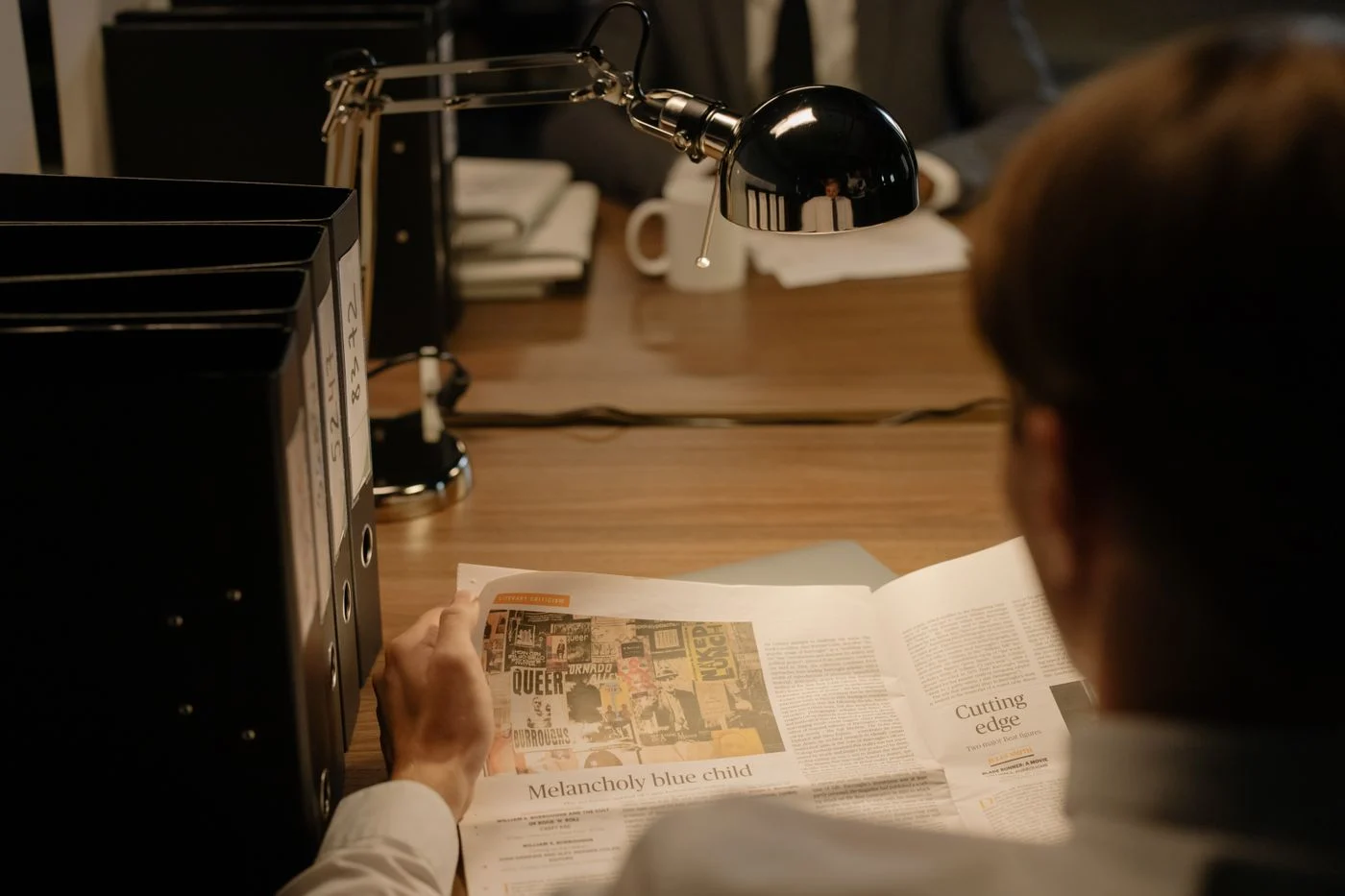
Craft often becomes easier to understand when the process is visible. Marks on a workbench, a test piece and a repeated gesture reveal the judgement behind an object that seems simple at first glance. The detail is an invitation to look again, rather than a rule to follow.
A painted sign can hold a trace of a neighbourhood history. This visual notebook follows letterforms, shopfronts and the practical messages that quietly shape the way a street is read. There is more to discover when the question stays open for a little longer.
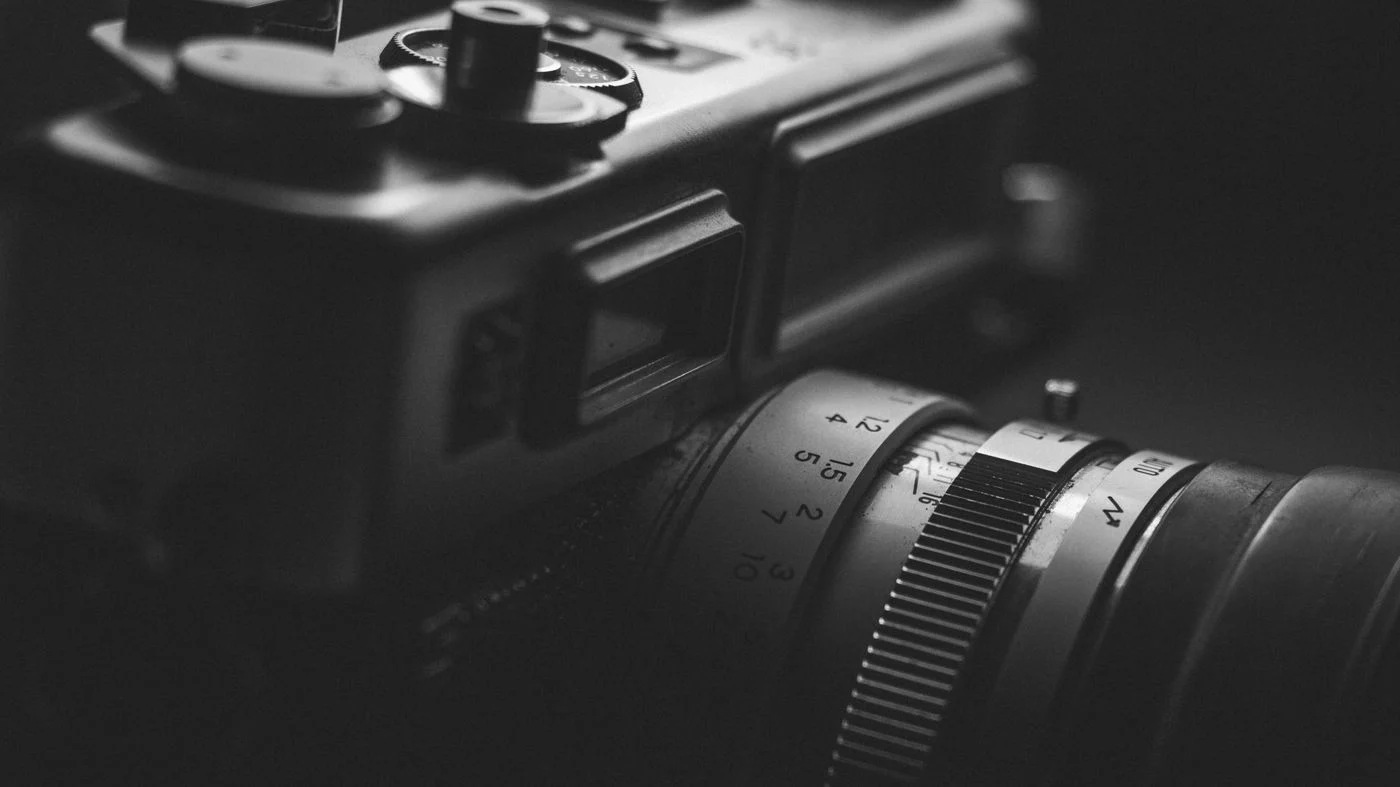
A photography studio is a place for both preparation and improvisation. The story looks at how a background, a change in light and a conversation can alter the direction of an image. This edition pairs the reflection with photographs and details from the wider notebook.
A high street changes throughout the day as deliveries, errands and meeting places overlap. Reading those rhythms brings attention to the independent businesses and public spaces that connect everyday routines. A thoughtful reader note can add another useful perspective to the conversation.
An object can become familiar through use long before it becomes a keepsake.
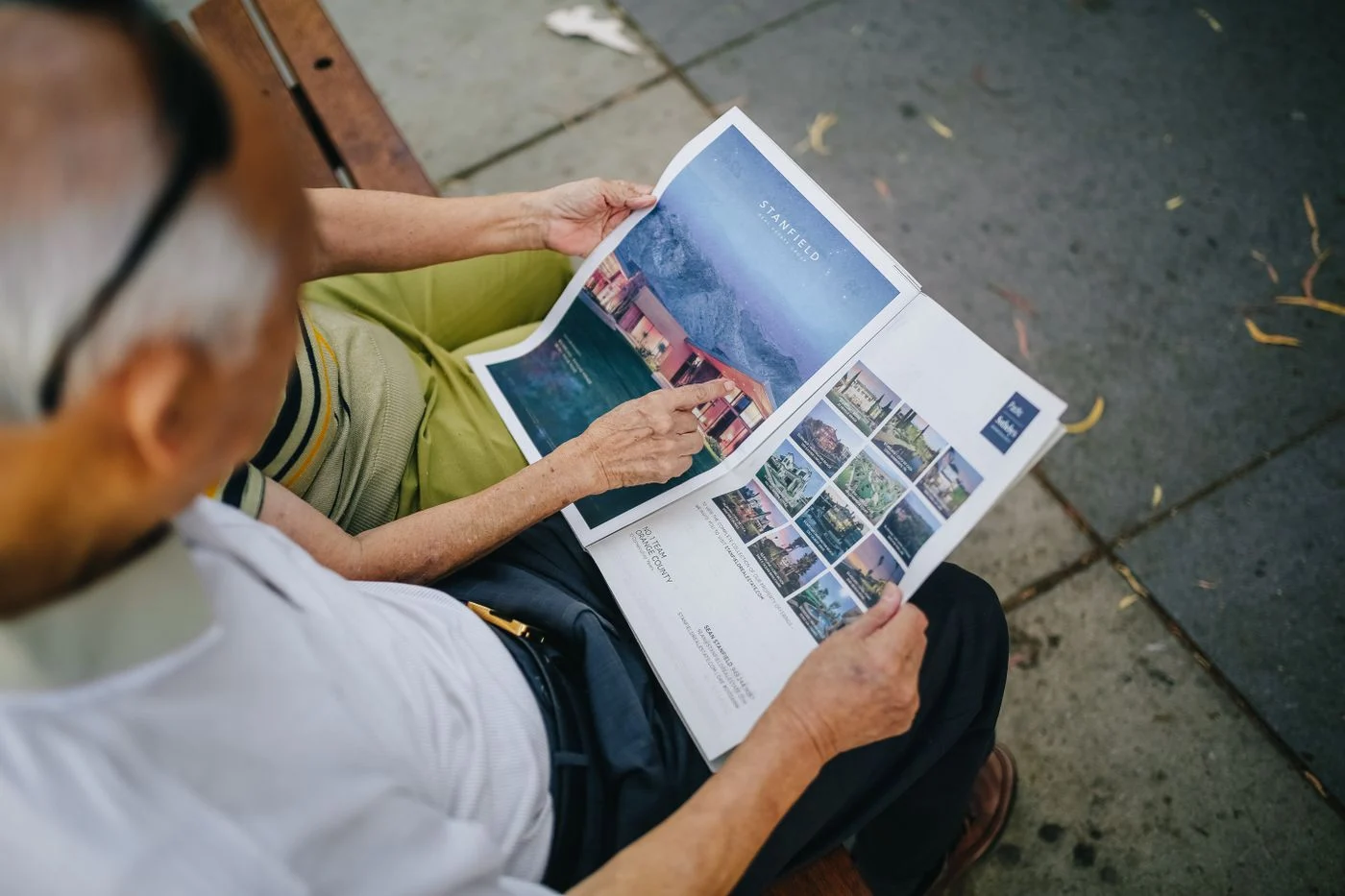
Small magazines make room for subjects that benefit from a distinct voice and a slower reading pace.

An archive rewards a patient approach to looking.
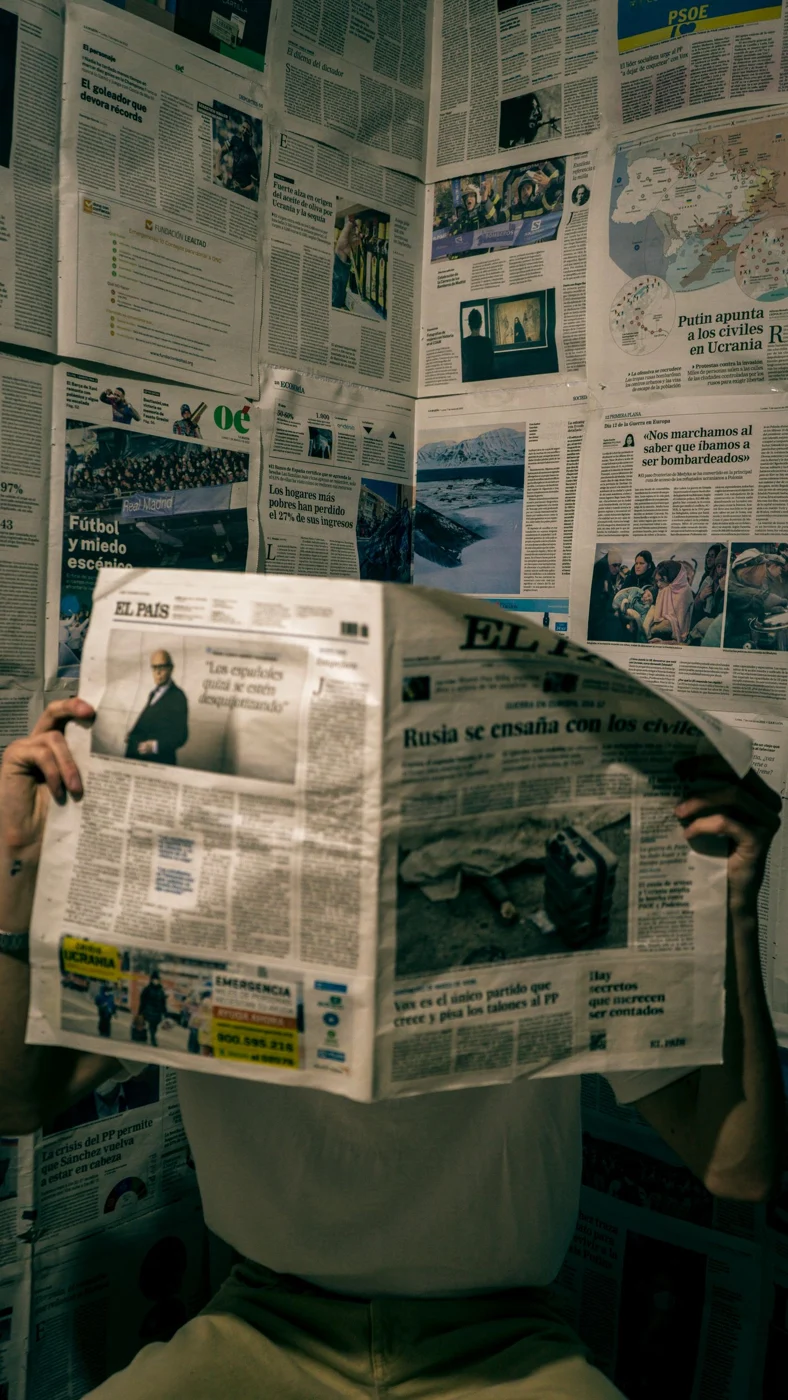
A bookshop is shaped by the people who recommend, arrange and return to its shelves.
Quiet corners can tell a different story about a city.
A repaired chair or a reused glass jar carries traces of an earlier purpose.

An independent publication begins with an editorial point of view, then finds its shape through selection and sequence.

A shared studio is more than a collection of desks.
Craft often becomes easier to understand when the process is visible.

A painted sign can hold a trace of a neighbourhood history.

A photography studio is a place for both preparation and improvisation.
A high street changes throughout the day as deliveries, errands and meeting places overlap.
An object can become familiar through use long before it becomes a keepsake. Its weight, the way it fits a hand and the marks it gathers help explain why some things remain part of daily life. This edition pairs the reflection with photographs and details from the wider notebook.
Small magazines make room for subjects that benefit from a distinct voice and a slower reading pace. This edition considers cover choices, picture sequences and the relationship between an editor and a reader. A thoughtful reader note can add another useful perspective to the conversation.
An archive rewards a patient approach to looking. A photograph, a note in the margin or a dated programme can open a small window onto the way a place once described itself. Read it as a starting point for your own observations.
A bookshop is shaped by the people who recommend, arrange and return to its shelves. This feature follows the conversations around a small counter and the decisions that give an independent reading space its character. The journal keeps room for a reader to bring a different experience to the subject.
Quiet corners can tell a different story about a city. A bench, a shaded lane and an unhurried public space offer a way to observe how people share a place when the pace changes. A few notes made along the way help the thought continue beyond its first reading.
A repaired chair or a reused glass jar carries traces of an earlier purpose. Looking at objects after their first use raises useful questions about care, resourcefulness and the things we choose to keep. The detail is an invitation to look again, rather than a rule to follow.
An independent publication begins with an editorial point of view, then finds its shape through selection and sequence. The conversation considers what to include, what to leave out and how a reader moves between ideas. There is more to discover when the question stays open for a little longer.
A shared studio is more than a collection of desks. Notice the noticeboard, the informal exchange of tools and the small rituals that make it easier for people to work alongside one another. This edition pairs the reflection with photographs and details from the wider notebook.
Craft often becomes easier to understand when the process is visible. Marks on a workbench, a test piece and a repeated gesture reveal the judgement behind an object that seems simple at first glance. A thoughtful reader note can add another useful perspective to the conversation.
A painted sign can hold a trace of a neighbourhood history. This visual notebook follows letterforms, shopfronts and the practical messages that quietly shape the way a street is read. Read it as a starting point for your own observations.
A photography studio is a place for both preparation and improvisation. The story looks at how a background, a change in light and a conversation can alter the direction of an image. The journal keeps room for a reader to bring a different experience to the subject.
A high street changes throughout the day as deliveries, errands and meeting places overlap. Reading those rhythms brings attention to the independent businesses and public spaces that connect everyday routines. A few notes made along the way help the thought continue beyond its first reading.
An object can become familiar through use long before it becomes a keepsake. Its weight, the way it fits a hand and the marks it gathers help explain why some things remain part of daily life. The detail is an invitation to look again, rather than a rule to follow.
Have a question, a story suggestion or a note about something you read in Everyday Culture? Send it here.
Everyday Culture
Organize editorial features, contributors, categories, and visual stories beautifully.
Showcase your editorial roster, guest columnists, and team profiles with their credentials.
Promote the launch of the latest physical magazine issues and handle shipping details.
Organize architecture, urbanism, and design articles into a clean multi-column editorial grid.