The sketch before the finished piece
Share build logs, design-in-public updates, and video tutorials in a layout built for media.
Small experiments become more useful when their conditions are recorded. A note about the material, the constraint and the result can help a later project begin with a clearer question. The journal keeps room for a reader to bring a different experience to the subject.
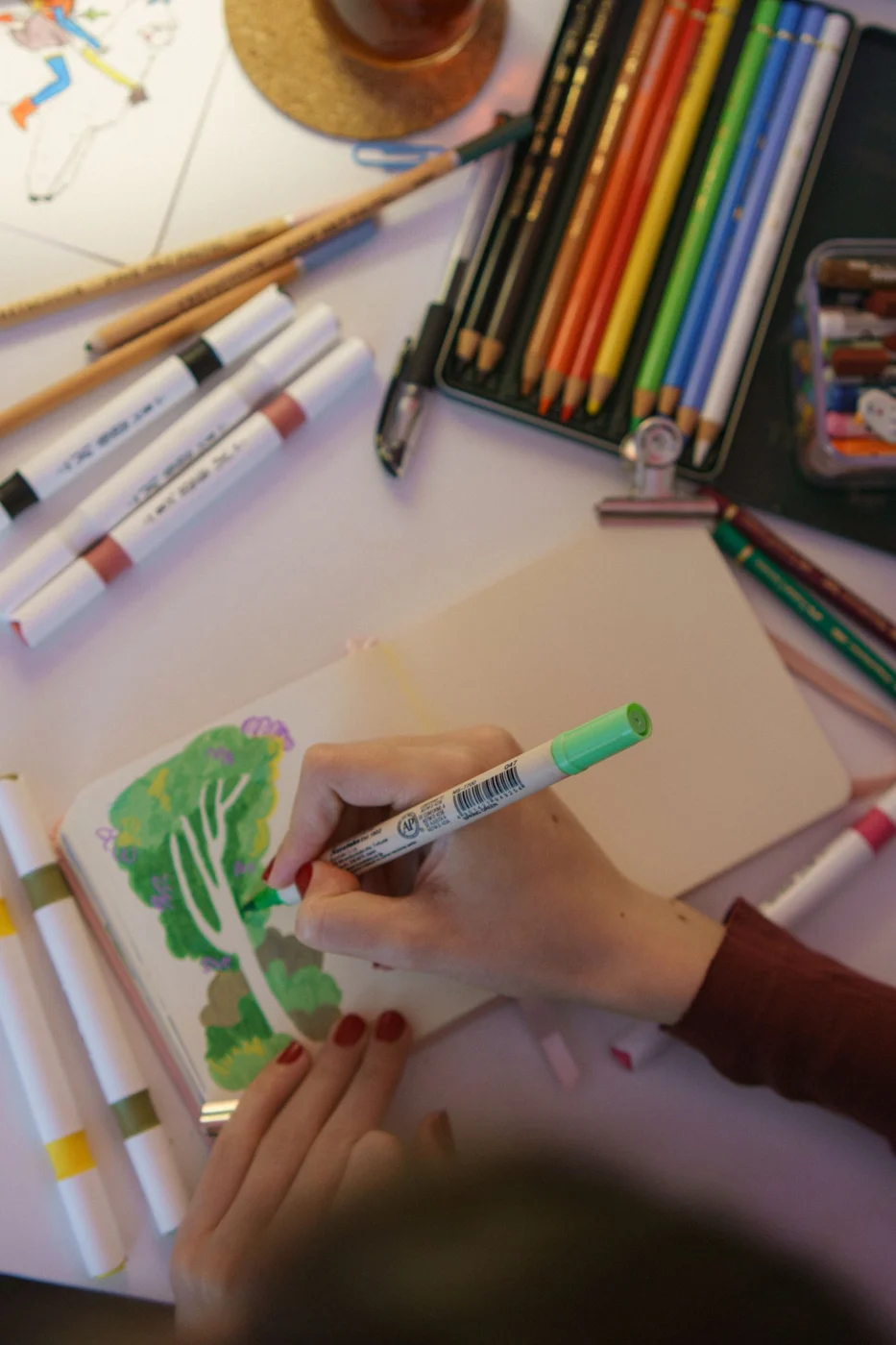
A first draft often reveals a problem that planning could not quite name. Reading it with a little distance makes it easier to separate the promising direction from the parts that need another attempt. A few notes made along the way help the thought continue beyond its first reading.
Looking carefully is a practice that can happen away from a studio. A shadow, a colour pairing or the structure of a familiar object can become the starting point for a new study. The detail is an invitation to look again, rather than a rule to follow.
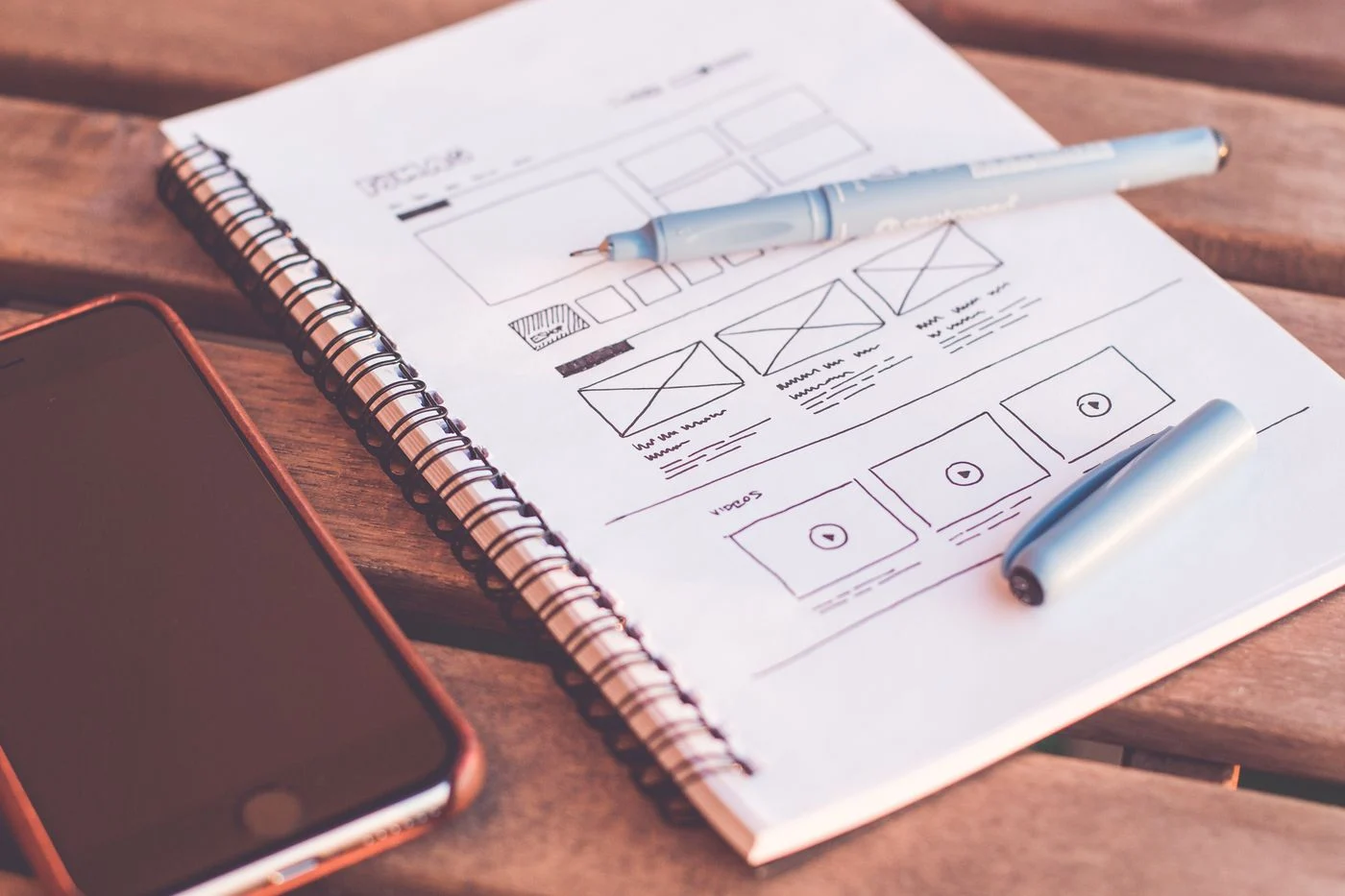
A creative routine needs space for both repetition and surprise. This journal entry follows the balance between familiar preparation, focused working time and the moment when an unexpected test becomes worth pursuing. There is more to discover when the question stays open for a little longer.
A useful tool earns its place by making a particular action easier to understand or repeat. These notes focus on how a tool is used rather than on the appeal of adding another item to the collection. This edition pairs the reflection with photographs and details from the wider notebook.
A pause can be a chance to reduce the size of the question. Return to a small study, revisit an unfinished reference or make something without asking it to become a complete project. A thoughtful reader note can add another useful perspective to the conversation.
Colour and form influence one another before a composition feels settled. A series of modest variations can reveal whether the next useful change belongs to the palette, the shape or the space between elements. Read it as a starting point for your own observations.
A prototype is a way to test an assumption rather than to demonstrate a finished result. Start with the simplest version that can answer the question and make the next decision from what it reveals. The journal keeps room for a reader to bring a different experience to the subject.
Sometimes a small adjustment changes the whole reading of a piece. This entry records the crop, the interval or the change in emphasis that made an early idea feel more coherent. A few notes made along the way help the thought continue beyond its first reading.
References can open possibilities without becoming instructions to copy. Record what is interesting about an example, then test that observation against the needs and character of the work in front of you. The detail is an invitation to look again, rather than a rule to follow.
A project review is more useful when it leads to a specific next experiment. Keep one decision that worked, name one difficulty clearly and choose a manageable variation to try in the next piece. There is more to discover when the question stays open for a little longer.
A first sketch makes an idea visible before it needs to be polished. Keep the early marks alongside later versions so the decisions that changed the direction do not disappear with the finished image. This edition pairs the reflection with photographs and details from the wider notebook.
Studio After Hours
Turn creator updates, behind-the-scenes notes, tutorials, and releases into a home base.
Share build logs, design-in-public updates, and video tutorials in a layout built for media.
Invite your community to unlock raw tutorials, design resources, and private server channels.
Connect your profiles, showcase stats, and highlight your creative presence across channels.